

Are G4 Pleated Air Filters environmentally friendly?
As a supplier of G4 Pleated Air Filters, I've often been asked about the environmental friendliness of these products. In this blog post, I'll delve into the scientific aspects to provide a comprehensive answer.
Understanding G4 Pleated Air Filters
G4 Pleated Air Filters are a type of primary air filter commonly used in HVAC (Heating, Ventilation, and Air Conditioning) systems. They are designed to capture large dust particles, pollen, and other coarse pollutants in the air. The "G4" classification comes from the European standard EN 779, which categorizes air filters based on their efficiency in removing particles of different sizes.
One of the key features of G4 Pleated Air Filters is their pleated design. This design significantly increases the surface area of the filter, allowing for more efficient particle capture. Compared to flat filters, pleated filters can trap more dust before reaching their maximum dust - holding capacity, which extends their service life.
Environmental Impact During Production
The production of G4 Pleated Air Filters involves several materials and processes that can have environmental implications. The filter media is typically made from synthetic fibers such as polypropylene or polyester. These materials are derived from petrochemicals, and the extraction and refining of petrochemicals require a large amount of energy and can contribute to greenhouse gas emissions.
However, manufacturers are increasingly focusing on more sustainable production methods. Some companies are exploring the use of recycled synthetic fibers in their filter media. By using recycled materials, the demand for virgin petrochemicals is reduced, which in turn decreases the environmental impact associated with their extraction. Additionally, modern production facilities are implementing energy - efficient technologies to reduce the energy consumption during the manufacturing process.
Efficiency and Environmental Benefits
One of the most significant environmental advantages of G4 Pleated Air Filters lies in their efficiency. By capturing large particles in the air, these filters protect the more expensive and delicate final filters in the HVAC system. When the pre - filters (such as G4 filters) are functioning effectively, the final filters have to work less, which extends their lifespan. This means that fewer final filters need to be replaced over time, reducing the overall waste generated by the HVAC system.
Moreover, clean air is essential for a healthy indoor environment. By removing dust and pollutants, G4 Pleated Air Filters improve the air quality in buildings. This can lead to a reduction in the use of air purifiers, which consume electricity. In this way, G4 filters indirectly contribute to energy savings and a lower carbon footprint.
For example, in commercial buildings, where HVAC systems operate continuously, using efficient G4 Pleated Air Filters can lead to substantial energy savings. Cleaner air also means less wear and tear on the HVAC equipment, reducing the need for frequent repairs and replacements, which is beneficial for the environment in terms of resource conservation.
Disposal of G4 Pleated Air Filters
When it comes to the end - of - life phase of G4 Pleated Air Filters, proper disposal is crucial for minimizing environmental impact. Since these filters are often made of synthetic materials, they are not biodegradable. If disposed of in landfills, they can take hundreds of years to decompose.
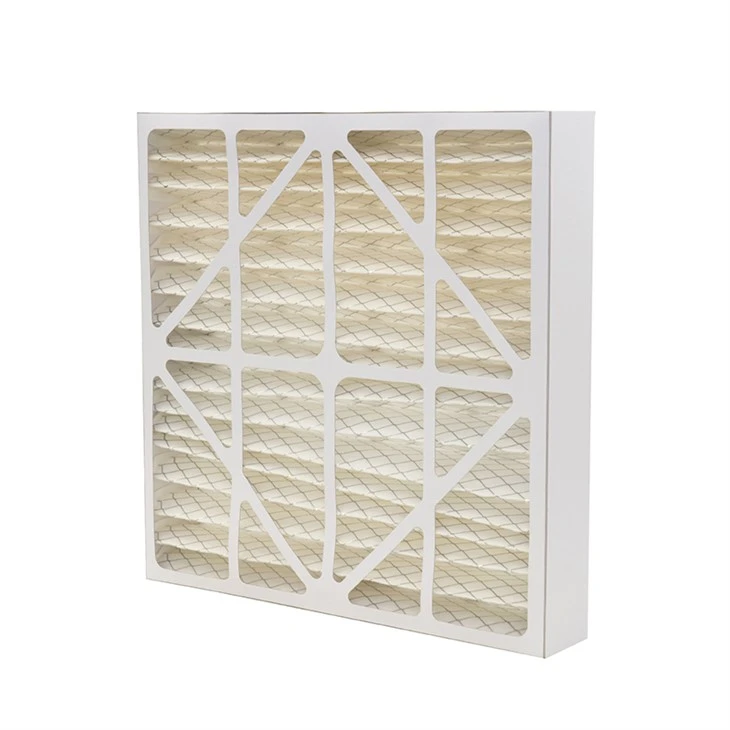

However, there are recycling options available for some parts of the G4 filters. Some companies offer recycling programs where the metal frames of the filters can be removed and recycled. Additionally, some advanced recycling facilities are developing methods to recycle the synthetic filter media. By participating in these recycling programs, the amount of waste sent to landfills can be significantly reduced.
Comparison with Other Filter Types
To better understand the environmental friendliness of G4 Pleated Air Filters, it's useful to compare them with other types of filters. For instance, compared to washable filters, G4 Pleated Air Filters have a lower water consumption. Washable filters need to be cleaned regularly with water, which can be a significant waste of water, especially in areas with water scarcity.
On the other hand, compared to high - efficiency particulate air (HEPA) filters, G4 filters are less energy - intensive to manufacture. HEPA filters require more complex manufacturing processes and use materials that are more energy - hungry to produce. Although HEPA filters have a higher efficiency in removing fine particles, G4 filters are more suitable for the pre - filtration stage, which helps to protect the HEPA filters and reduce their overall environmental impact as well.
Our Company's Efforts in Environmental Sustainability
As a G4 Pleated Air Filters supplier, we are committed to environmental sustainability. We source our materials from suppliers who adhere to strict environmental standards. We are also actively involved in research and development to improve the recyclability of our products.
In addition, we provide our customers with information on proper filter maintenance and disposal. We encourage them to participate in recycling programs to reduce the environmental impact of our products. By working closely with our customers, we aim to create a more sustainable supply chain for G4 Pleated Air Filters.
Related Products
If you are interested in other air filter products, we also offer Primary Effect Sub - Rack Air Filter and Hvac Pre Filter. These products are designed to meet different air filtration needs and are also manufactured with environmental considerations in mind. Our G4 En779 Filter strictly follows the EN 779 standard, ensuring high - quality and efficient air filtration.
Contact for Purchase and Negotiation
If you are considering purchasing G4 Pleated Air Filters or other related products, we invite you to contact us for further negotiation. We can provide you with detailed product information, pricing, and customized solutions based on your specific requirements. Our team of experts is ready to assist you in making the best decision for your air filtration needs.
References
- EN 779:2012. General ventilation air filters - Determination of the filtration performance.
- ASHRAE Handbook: HVAC Systems and Equipment. American Society of Heating, Refrigerating and Air - Conditioning Engineers.
- Articles on sustainable manufacturing and air filter technologies from peer - reviewed scientific journals.