

How does humidity affect the performance of PTFE HEPA Filter?
Hey there! As a supplier of PTFE HEPA filters, I've seen firsthand how different environmental factors can impact the performance of these filters. One factor that often gets overlooked but can have a significant effect is humidity. In this blog post, I'll dive into how humidity affects the performance of PTFE HEPA filters and what you need to know to keep your filtration system running efficiently.
What is a PTFE HEPA Filter?
Before we get into the impact of humidity, let's quickly go over what a PTFE HEPA filter is. HEPA stands for High-Efficiency Particulate Air, and these filters are designed to capture at least 99.97% of particles that are 0.3 microns in diameter. PTFE, or polytetrafluoroethylene, is a synthetic fluoropolymer that is known for its non-stick properties and chemical resistance. When used in HEPA filters, PTFE can enhance the filter's performance by providing a more efficient and durable filtration medium.
There are different types of PTFE HEPA filters available, such as the Mini-pleated Panel HEPA Filter, PTFE HEPA ULPA Filter, and Aluminum Frame HEPA Filter Without Partition. Each type has its own unique features and benefits, but they all share the common goal of providing high-quality air filtration.
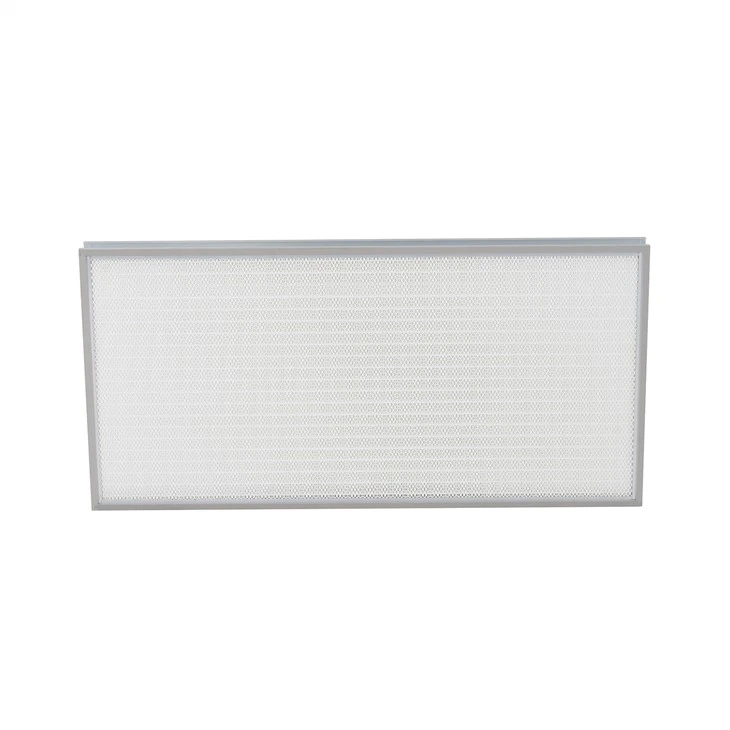

How Humidity Affects PTFE HEPA Filters
Humidity refers to the amount of water vapor in the air. High humidity levels can have several effects on the performance of PTFE HEPA filters:
1. Increased Pressure Drop
One of the main ways humidity affects PTFE HEPA filters is by increasing the pressure drop across the filter. When the air is humid, the water vapor can condense on the filter media, causing it to become wet. A wet filter media has a higher resistance to air flow, which means that the fan or blower in the filtration system has to work harder to push the air through the filter. This results in an increased pressure drop, which can lead to higher energy consumption and reduced system efficiency.
2. Reduced Filtration Efficiency
Humidity can also reduce the filtration efficiency of PTFE HEPA filters. When the filter media is wet, the water droplets can act as a barrier to the particles, preventing them from being captured by the filter. In addition, the wet filter media can cause the particles to clump together, making them larger and more difficult to capture. This can result in a decrease in the filter's ability to remove small particles from the air, which can have a negative impact on indoor air quality.
3. Microbial Growth
Another concern with high humidity levels is the potential for microbial growth on the filter media. Microorganisms such as bacteria, fungi, and mold thrive in moist environments, and a wet PTFE HEPA filter can provide an ideal breeding ground for these organisms. Microbial growth on the filter can not only reduce the filter's performance but also pose a health risk to the occupants of the building. Inhaling airborne microorganisms can cause respiratory problems, allergies, and other health issues.
4. Filter Damage
Prolonged exposure to high humidity levels can also cause damage to the PTFE HEPA filter. The water can cause the filter media to swell, which can lead to structural damage and a decrease in the filter's lifespan. In addition, the moisture can cause the adhesive used to seal the filter to break down, which can result in air leakage and a reduction in the filter's efficiency.
Managing Humidity to Protect PTFE HEPA Filters
Now that we understand how humidity can affect the performance of PTFE HEPA filters, let's look at some ways to manage humidity and protect your filters:
1. Control Indoor Humidity Levels
The most effective way to protect your PTFE HEPA filters from the effects of humidity is to control the indoor humidity levels. The ideal relative humidity range for most indoor environments is between 30% and 50%. You can use a dehumidifier to remove excess moisture from the air or a humidifier to add moisture if the air is too dry. Regularly monitoring the humidity levels in your building and adjusting the humidity control equipment as needed can help ensure that your PTFE HEPA filters are operating in optimal conditions.
2. Proper Ventilation
Good ventilation is also important for managing humidity levels and protecting your PTFE HEPA filters. Ventilation helps to remove stale air and moisture from the building, which can prevent the buildup of humidity. Make sure that your ventilation system is properly designed and maintained to provide adequate air exchange. In addition, you can open windows and doors to allow fresh air to circulate through the building, especially during periods of high humidity.
3. Filter Maintenance
Regular filter maintenance is essential for ensuring the optimal performance of your PTFE HEPA filters. This includes replacing the filters at the recommended intervals, cleaning the filter housing and ductwork, and inspecting the filters for signs of damage or contamination. By keeping your filters clean and in good condition, you can reduce the risk of pressure drop, microbial growth, and filter damage caused by humidity.
4. Use of Moisture-Resistant Filters
If you are operating in a high-humidity environment, you may want to consider using moisture-resistant PTFE HEPA filters. These filters are designed to withstand the effects of humidity and are less likely to experience pressure drop, reduced filtration efficiency, and microbial growth. Moisture-resistant filters typically have a hydrophobic coating on the filter media, which helps to repel water and prevent it from condensing on the surface of the filter.
Conclusion
Humidity can have a significant impact on the performance of PTFE HEPA filters. By understanding how humidity affects these filters and taking steps to manage humidity levels, you can protect your filters and ensure that your filtration system is operating efficiently. If you have any questions about PTFE HEPA filters or need help selecting the right filter for your application, don't hesitate to reach out. We're here to help you make the best decision for your air filtration needs and are ready to discuss your procurement requirements. Let's work together to keep your indoor air clean and healthy!
References
- "High-Efficiency Particulate Air (HEPA) Filters," U.S. Environmental Protection Agency.
- "Polytetrafluoroethylene (PTFE): Properties, Applications, and Manufacturing," ScienceDirect.
- "Effect of Humidity on the Performance of Air Filters," Journal of the Air & Waste Management Association.