

What are the installation requirements for a Fan Filter Unit?
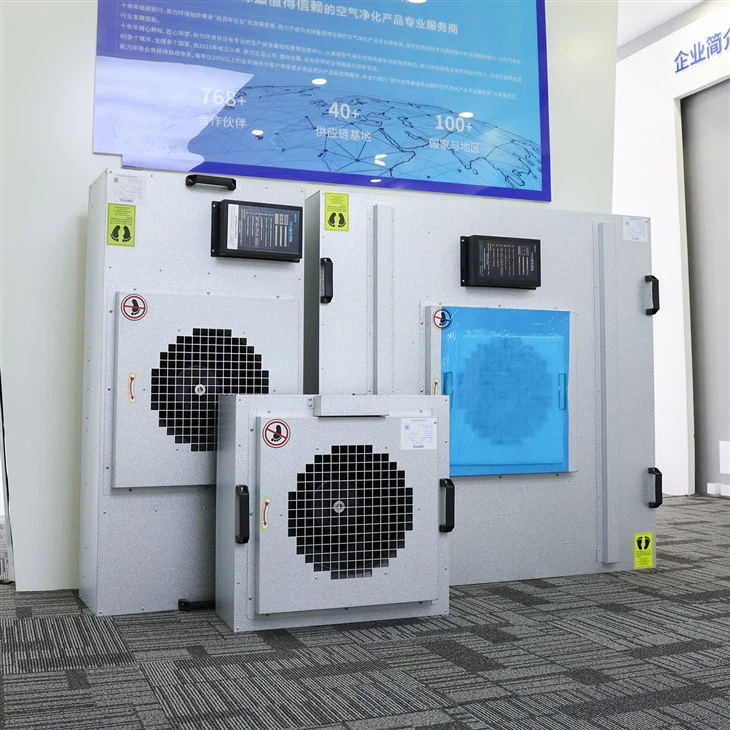
When it comes to ensuring a clean and controlled environment, a Fan Filter Unit (FFU) is an indispensable component. As a leading FFU supplier, I understand the importance of proper installation to maximize the performance and longevity of these units. In this blog post, I will delve into the key installation requirements for a Fan Filter Unit, providing you with the knowledge you need to make informed decisions and achieve optimal results.
1. Location Selection
The first step in installing an FFU is choosing the right location. The installation site should be carefully selected based on several factors, including the intended use of the cleanroom, the layout of the facility, and the airflow requirements.
- Cleanroom Classification: Different cleanroom classifications have specific requirements for air cleanliness and particle count. The FFU should be installed in an area that meets the cleanliness standards of the cleanroom. For example, in a Class 100 cleanroom, the FFU should be installed in a location where the air can be effectively filtered to remove particles larger than 0.5 microns.
- Airflow Pattern: The airflow pattern in the cleanroom is crucial for maintaining uniform air distribution and minimizing turbulence. The FFU should be installed in a way that allows for proper airflow circulation, avoiding areas with obstructions or dead spots. It is recommended to consult with a cleanroom design engineer to determine the optimal airflow pattern and FFU placement.
- Accessibility: The installation location should provide easy access for maintenance and replacement of the FFU components, such as the Ffu Hepa Filter and Ffu Fan. Adequate space should be available around the FFU for servicing and inspection.
2. Structural Requirements
The structural integrity of the installation surface is essential to ensure the stability and proper functioning of the FFU. The following structural requirements should be considered:
- Load Capacity: The installation surface must be able to support the weight of the FFU and any additional equipment or accessories. The weight of the FFU can vary depending on its size and configuration, so it is important to check the manufacturer's specifications and ensure that the installation surface has sufficient load capacity.
- Flatness and Levelness: The installation surface should be flat and level to prevent uneven stress on the FFU and ensure proper sealing. Any unevenness or slopes in the surface can cause air leakage and affect the performance of the FFU. It is recommended to use a leveling device to ensure that the installation surface is within the acceptable tolerance.
- Mounting Hardware: The FFU should be securely mounted to the installation surface using appropriate mounting hardware. The type of mounting hardware required will depend on the installation surface and the design of the FFU. It is important to follow the manufacturer's instructions and use high-quality mounting hardware to ensure a secure and reliable installation.
3. Electrical Requirements
Proper electrical installation is crucial for the safe and efficient operation of the FFU. The following electrical requirements should be met:
- Power Supply: The FFU should be connected to a suitable power supply that meets the electrical specifications of the unit. The voltage, frequency, and phase requirements of the FFU should be carefully checked and matched with the power supply. It is recommended to use a dedicated circuit for the FFU to avoid overloading and ensure stable power supply.
- Electrical Wiring: The electrical wiring for the FFU should be installed in accordance with local electrical codes and regulations. The wiring should be properly sized, insulated, and protected to prevent electrical hazards. It is important to use high-quality electrical cables and connectors and to ensure that all connections are tight and secure.
- Grounding: The FFU should be properly grounded to protect against electrical shock and to prevent electrostatic discharge. The grounding conductor should be connected to a reliable grounding point, such as a grounding rod or a grounding busbar. It is important to follow the manufacturer's instructions and ensure that the grounding system is installed correctly.
4. Air Ducting Requirements
The air ducting system plays a crucial role in the performance of the FFU by delivering clean air to the desired areas. The following air ducting requirements should be considered:
- Duct Size and Configuration: The size and configuration of the air ducts should be designed to match the airflow capacity and requirements of the FFU. The ducts should be properly sized to ensure adequate air volume and velocity and to minimize pressure drop. It is recommended to consult with a HVAC engineer to determine the optimal duct size and configuration for the specific application.
- Duct Sealing: The air ducts should be properly sealed to prevent air leakage and to ensure that clean air is delivered to the intended areas. The joints and connections between the ducts should be sealed using high-quality duct sealants or gaskets. It is important to ensure that all seals are tight and secure and to inspect the ducts regularly for any signs of leakage.
- Duct Insulation: The air ducts should be insulated to prevent heat transfer and to maintain the temperature and humidity of the cleanroom. The insulation material should be selected based on the specific requirements of the application and should meet local building codes and regulations. It is important to ensure that the insulation is installed properly and that there are no gaps or voids in the insulation.
5. Commissioning and Testing
After the installation of the FFU is completed, it is important to conduct thorough commissioning and testing to ensure that the unit is operating properly and meeting the required performance standards. The following commissioning and testing steps should be performed:
- Visual Inspection: A visual inspection of the FFU and the installation should be conducted to check for any visible defects or damage. The inspection should include checking the installation of the FFU components, the air ducting system, the electrical wiring, and the grounding system.
- Functional Testing: The FFU should be tested to ensure that it is operating properly and that all functions are working as intended. The functional testing should include checking the operation of the fan, the filter, the controls, and the alarms.
- Performance Testing: The performance of the FFU should be tested to ensure that it is meeting the required air cleanliness and airflow standards. The performance testing should include measuring the air velocity, the air volume, the particle count, and the pressure drop across the filter.
- Documentation: All commissioning and testing results should be documented and kept on file for future reference. The documentation should include the test reports, the calibration certificates, and any other relevant information.
Conclusion
Proper installation of a Fan Filter Unit is essential for ensuring its optimal performance, reliability, and longevity. By following the installation requirements outlined in this blog post, you can ensure that your FFU is installed correctly and is operating at its best. As a FFU supplier, I am committed to providing high-quality products and professional installation services to meet the needs of our customers. If you have any questions or need further assistance with the installation of a Fan Filter Unit, please feel free to contact us for a consultation and to discuss your specific requirements. We look forward to working with you to create a clean and controlled environment for your facility.

References
- ASHRAE Handbook - HVAC Systems and Equipment
- ISO 14644 - Cleanrooms and associated controlled environments
- NFPA 70 - National Electrical Code