

What is the temperature requirement in a clean bench?
What is the temperature requirement in a clean bench?
As a supplier of clean benches, I often encounter inquiries from customers regarding the temperature requirements within these essential pieces of equipment. Clean benches are widely used in various industries, including pharmaceuticals, electronics, and biotechnology, to provide a controlled environment for sensitive processes. Understanding the temperature requirements is crucial for ensuring the optimal performance of both the clean bench and the processes carried out within it.
Importance of Temperature Control in Clean Benches
The temperature within a clean bench plays a significant role in maintaining the integrity of the working environment. In many applications, such as cell culture, pharmaceutical compounding, and semiconductor manufacturing, even slight temperature variations can have a profound impact on the quality and reliability of the products or processes.
For instance, in cell culture applications, cells are highly sensitive to temperature changes. Deviations from the optimal temperature range can lead to reduced cell viability, altered cell behavior, and even cell death. Similarly, in pharmaceutical compounding, temperature fluctuations can affect the stability and efficacy of medications, potentially compromising patient safety.
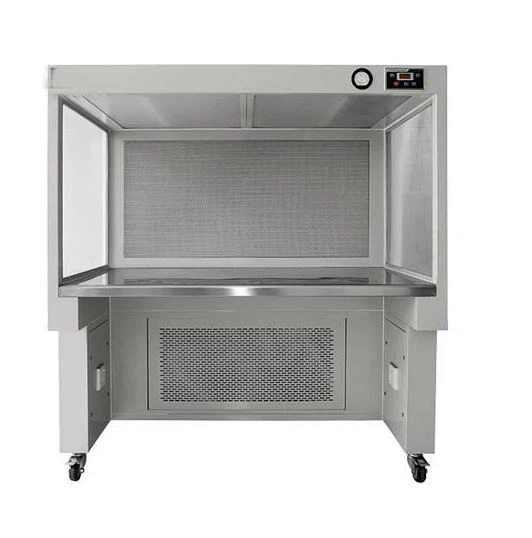
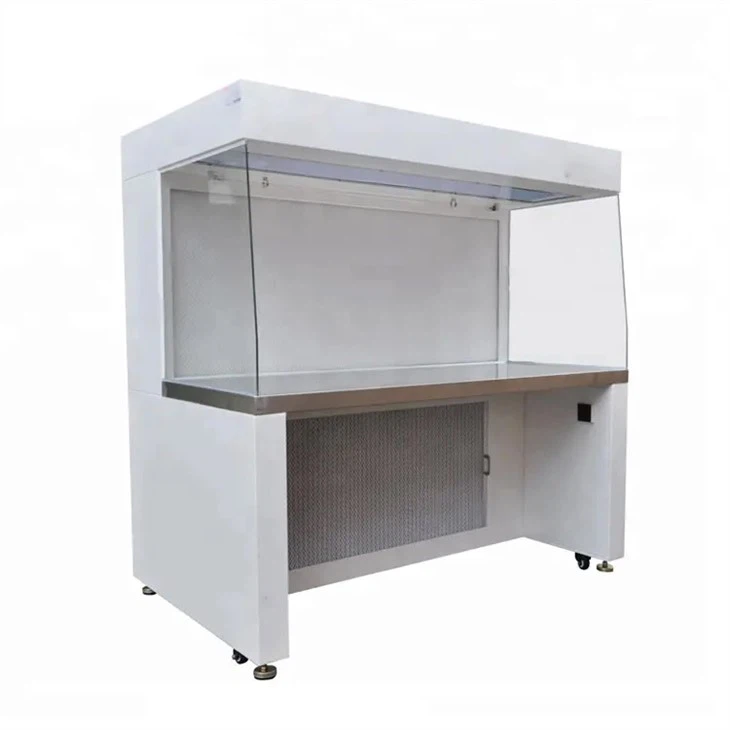
In addition to the impact on the processes themselves, temperature control is also essential for the proper functioning of the clean bench's components. Many clean benches are equipped with high-efficiency particulate air (HEPA) filters, which are designed to remove airborne particles from the air. These filters can be sensitive to temperature and humidity, and improper temperature control can lead to reduced filter efficiency and increased risk of contamination.
Optimal Temperature Range
The optimal temperature range for a clean bench depends on several factors, including the specific application, the type of clean bench, and the environmental conditions in which it is operating. In general, most clean benches are designed to operate within a temperature range of 20°C to 25°C (68°F to 77°F).
This temperature range is considered ideal for several reasons. First, it is within the comfort zone for human operators, which helps to ensure their productivity and well-being. Second, it is suitable for a wide range of applications, including cell culture, pharmaceutical compounding, and electronics manufacturing. Finally, it helps to maintain the stability of the clean bench's components, such as the HEPA filters and the fan system.
However, it is important to note that some applications may require a more precise temperature control. For example, in some cell culture applications, the temperature may need to be maintained within a narrow range of ±0.5°C to ensure optimal cell growth and viability. In these cases, a clean bench with a more advanced temperature control system may be required.
Factors Affecting Temperature in a Clean Bench
Several factors can affect the temperature within a clean bench, including the following:
- Ambient Temperature: The temperature of the surrounding environment can have a significant impact on the temperature within the clean bench. If the ambient temperature is too high or too low, it can be difficult to maintain the desired temperature range within the clean bench.
- Heat Generation: The equipment and processes carried out within the clean bench can generate heat, which can cause the temperature to rise. For example, if the clean bench is equipped with a high-power microscope or a heating element, it can generate a significant amount of heat.
- Airflow: The airflow within the clean bench can also affect the temperature. If the airflow is too low, it can lead to poor heat dissipation and increased temperature. On the other hand, if the airflow is too high, it can cause temperature fluctuations and make it difficult to maintain a stable temperature.
- Insulation: The insulation of the clean bench can also play a role in temperature control. A well-insulated clean bench can help to reduce heat transfer from the surrounding environment and maintain a more stable temperature.
Temperature Control Systems
To ensure the optimal temperature within a clean bench, most modern clean benches are equipped with temperature control systems. These systems can be either passive or active, depending on the specific requirements of the application.
- Passive Temperature Control: Passive temperature control systems rely on the natural properties of the clean bench's materials and design to maintain a stable temperature. For example, some clean benches are designed with insulated walls and doors to reduce heat transfer from the surrounding environment. Others may use heat sinks or other passive cooling devices to dissipate heat generated by the equipment and processes within the bench.
- Active Temperature Control: Active temperature control systems use sensors and heating or cooling elements to actively regulate the temperature within the clean bench. These systems can be more precise and effective than passive systems, especially in applications that require a high degree of temperature control. For example, some clean benches are equipped with thermoelectric coolers or refrigeration units to maintain a constant temperature within a narrow range.
Monitoring and Maintenance
In addition to having a temperature control system, it is also important to monitor the temperature within the clean bench regularly. This can be done using a thermometer or a temperature sensor installed within the bench. By monitoring the temperature, you can detect any deviations from the desired range and take corrective action before they cause any problems.
It is also important to perform regular maintenance on the clean bench's temperature control system to ensure its proper functioning. This may include cleaning the filters, checking the sensors and heating or cooling elements, and calibrating the temperature control system as needed. By performing regular maintenance, you can extend the lifespan of the clean bench and ensure its continued performance.
Conclusion
In conclusion, the temperature requirement in a clean bench is an important factor to consider for ensuring the optimal performance of both the clean bench and the processes carried out within it. By understanding the importance of temperature control, the optimal temperature range, the factors affecting temperature, and the available temperature control systems, you can select the right clean bench for your application and ensure its proper operation.
If you are in the market for a clean bench, we offer a wide range of high-quality Clean Air Laminar Flow Cabinet, Ultra Clean Bench, and Clean Air Bench to meet your specific needs. Our clean benches are designed with advanced temperature control systems to ensure the optimal temperature and humidity conditions for your applications.
If you have any questions or would like to discuss your requirements further, please do not hesitate to contact us. We look forward to helping you find the perfect clean bench for your needs.
References
- "Cleanroom Technology Handbook." John Wiley & Sons, Inc., 2008.
- "Guide to Good Manufacturing Practice for Medicinal Products." World Health Organization, 2019.
- "Cell Culture Basics: A Practical Approach." Oxford University Press, 2014.