

What is the vibration level of a Fan Filter Unit?
The vibration level of a Fan Filter Unit (FFU) is a crucial parameter that significantly impacts its performance, reliability, and the overall environment where it is installed. As a leading supplier of FFUs, understanding and controlling the vibration level is of utmost importance to us.
Why Vibration Level Matters
Vibration in an FFU can stem from multiple sources. Firstly, the rotating components within the fan, such as the impeller and motor, are primary causes of vibration. When the fan operates, any imbalance in the impeller can lead to uneven forces, resulting in vibrations. Additionally, the air flow passing through the fan and filter can also induce vibrations. These vibrations, if not properly managed, can have several negative consequences.
From a performance perspective, excessive vibration can affect the efficiency of the FFU. It may cause the filter to shift or become misaligned, reducing its effectiveness in capturing particles. This can lead to a decrease in the air quality within the cleanroom or the environment where the FFU is installed. Moreover, vibrations can cause wear and tear on the components of the FFU over time. The constant shaking can loosen connections, damage bearings, and even lead to premature failure of the motor. This not only increases maintenance costs but also disrupts the operation of the system.
In a cleanroom environment, vibration can also have an impact on sensitive equipment and processes. For example, in semiconductor manufacturing, even the slightest vibration can affect the precision of lithography and other manufacturing processes, leading to defective products. Therefore, keeping the vibration level of the FFU within an acceptable range is essential for maintaining the quality and productivity of the cleanroom operations.
Measuring Vibration Level
To accurately assess the vibration level of an FFU, we use specialized vibration measurement equipment. One common method is to use accelerometers. These devices can measure the acceleration of the vibrations at different points on the FFU. By analyzing the data collected from the accelerometers, we can determine the amplitude, frequency, and direction of the vibrations.
The amplitude of the vibration indicates the magnitude of the shaking. A higher amplitude generally means more severe vibrations. Frequency, on the other hand, refers to how often the vibrations occur. Different frequencies can have different effects on the FFU and the surrounding environment. For example, high - frequency vibrations may cause more localized damage to components, while low - frequency vibrations can be more likely to cause structural issues.
We also consider the overall vibration spectrum. This is a graphical representation of the vibration frequencies and their corresponding amplitudes. By analyzing the spectrum, we can identify any dominant frequencies that may be causing problems. For instance, if there is a peak at a particular frequency, it could indicate an imbalance in the rotating components or a resonance issue within the FFU structure.
Factors Affecting Vibration Level
Several factors can influence the vibration level of an FFU. One of the most significant factors is the quality of the fan and motor. High - quality components are typically better balanced and have fewer manufacturing defects, which can result in lower vibration levels. When selecting fans and motors for our FFUs, we carefully evaluate their specifications and performance to ensure they meet our strict quality standards.
The design of the FFU also plays a crucial role. A well - designed FFU will have a sturdy structure that can effectively dampen vibrations. The housing should be made of materials that can absorb and dissipate the energy of the vibrations. Additionally, the layout of the internal components, such as the placement of the fan and filter, can affect the air flow pattern and, consequently, the vibration level.
The installation of the FFU is another important factor. If the FFU is not installed correctly, it can cause additional vibrations. For example, if the mounting brackets are loose or not properly aligned, the FFU may shake during operation. We provide detailed installation instructions to our customers to ensure that the FFUs are installed in a way that minimizes vibrations.

Controlling Vibration Level
As a supplier, we take several measures to control the vibration level of our FFUs. During the manufacturing process, we perform strict quality control on all components. We use advanced balancing techniques to ensure that the impellers of the fans are perfectly balanced. This reduces the uneven forces that can cause vibrations.
We also incorporate vibration - damping materials into the design of our FFUs. These materials can absorb the energy of the vibrations and reduce their transmission to the surrounding environment. For example, we use rubber gaskets and mounts to isolate the fan and motor from the housing, preventing the vibrations from being transferred to the structure of the FFU.
In addition, we continuously improve our design based on the latest research and customer feedback. By optimizing the air flow path and the layout of the internal components, we can reduce the aerodynamic forces that cause vibrations. We also conduct extensive testing on our FFUs to ensure that they meet the required vibration standards.
Our Product Range and Vibration Performance
We offer a wide range of FFUs, including Hepa Plenum Box, Ffu Hepa, and Low Noise Clean Room Module Ceiling FFU. Each of these products is designed with a focus on low vibration levels.
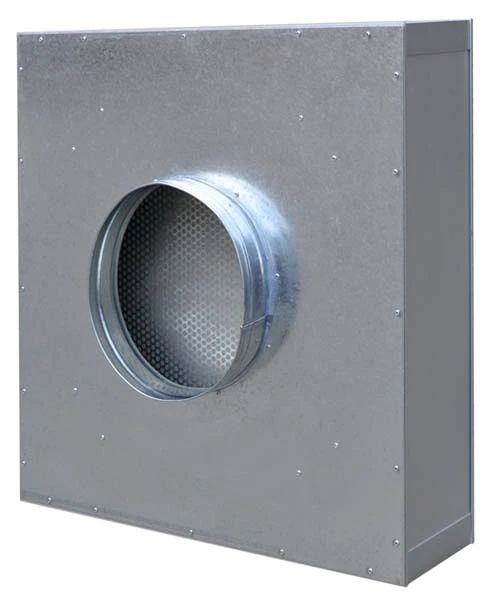
Our Hepa Plenum Box is a high - performance unit that combines a HEPA filter with a plenum box. The design of this unit is optimized to ensure smooth air flow and minimal vibrations. The plenum box helps to distribute the air evenly, reducing the turbulence that can cause vibrations.
The Ffu Hepa is a compact and efficient FFU that is suitable for a variety of cleanroom applications. We have used advanced manufacturing techniques to ensure that the fan and filter are well - integrated, resulting in low vibration levels. This unit is also designed to be easy to install and maintain, further reducing the potential for vibration - related issues.
Our Low Noise Clean Room Module Ceiling FFU is specifically designed for environments where noise and vibration are critical concerns. The use of high - quality, low - vibration components and advanced noise - reduction technologies makes this unit an ideal choice for cleanrooms that require a quiet and stable operating environment.
Conclusion
The vibration level of a Fan Filter Unit is a critical factor that affects its performance, reliability, and the overall environment. As a supplier, we are committed to providing FFUs with low vibration levels. Through strict quality control, advanced design, and continuous improvement, we ensure that our products meet the highest standards in terms of vibration performance.
If you are in the market for high - quality FFUs with low vibration levels, we invite you to contact us for a detailed discussion. Our team of experts is ready to assist you in selecting the right product for your specific needs. Whether you are building a new cleanroom or upgrading an existing one, we can provide you with the solutions that will help you achieve optimal performance and productivity.
References
- "Vibration Analysis of Rotating Machinery" by Robert B. Randall
- "Cleanroom Design and Operation" by Peter C. H. Westgate
- Industry standards and guidelines related to Fan Filter Units and cleanroom technology.