Operating Room Air Purification
Operating room air purification The outdoor air is filtered by a high-efficiency filter to achieve a nearly sterile and dust-free state, and then sent into the operating room by a ventilator, while the dirty air is blown out. Purification does not mean sterilization, but sterilization and dust removal through filters. It must be coordinated with the cleaning and disinfection of floors, walls, and object surfaces, and attention should be paid to cleaning the air filter device in time. Only in this way can the air during surgery be kept clean and meet the needs of various surgeries. needs. Air purification is also suitable for intensive care units and burn wards.
The purpose of air purification:
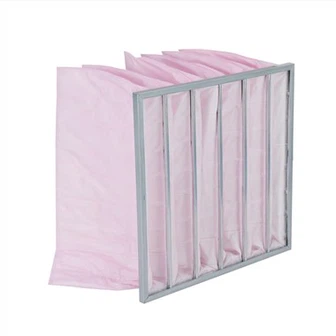
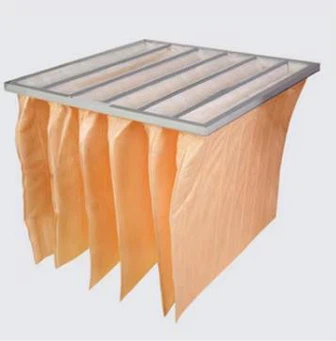
Through air purification, we create a micro-environment with suitable temperature and humidity, fresh air, sterility, cleanliness, and high quality, and scientifically organize the entire environmental facilities and instruments in the operating room to make them orderly, convenient, safe, and The degree of cleanliness and sterility has reached an ideal level, ensuring the success of the operation. Purification equipment: The purification air conditioning system mainly consists of air handlers, primary, secondary and high-efficiency filters, pressurized fans, air heaters, humidifiers, return air vents and air supply ceilings.
Operating room air purification:
1. Classification according to air flow:
(1) Laminar flow airflow with parallel streamlines, uniform flow velocity, and single direction flows through the work area of the room. It is further divided into vertical laminar flow and horizontal laminar flow. Vertical laminar flow: Install the high-efficiency filter on the roof, the entire roof is the filter layer, the airflow is vertically downward, and the return air outlet is located on a plane close to the floor. Horizontal laminar flow: Install the filter on the wall at the foot of the surgical patient to blow the air horizontally; the return air outlet is located on the roof near the wall on the opposite side.
When there is horizontal air flow, the operator's body or draping blocks the air flow, which affects the cleanliness of the surgical area; when there is vertical air flow, the incision is upwind of the surgeon's head, which also increases the chance of bacterial contamination and requires high investment. Due to the effect of gravity, bacteria and dust particles easily settle on horizontal surfaces, but are difficult to accumulate on vertical surfaces. The bacterial contamination on vertical surfaces is about 1/25 of that on horizontal surfaces. At a certain wind speed, the bacterial concentration of horizontal laminar air flow pattern It is larger than the vertical laminar air flow pattern. Therefore, vertical surfaces are easy to keep clean.
(2) The turbulent flow lines are not parallel, the flow speed is uneven, the direction is not single, and there is cross-circulating air flow flowing through each section of the work area.
(3) The radial air flow streamlines seem to flow in one direction, and the performance is close to horizontal unidirectional flow.
(4) Mixed flow type is also called local unidirectional flow and is distinguished by the filling ratio. The vertical flow coverage ratio is less than 60%, and the horizontal flow is less than 40%, both of which are local single-item flows.
2. Classification according to purification space
(1) The whole room is purified using all air supply from the ceiling or one side wall, so that the entire operating room reaches the required cleanliness. This is a higher-level purification method, but because the air cleanliness outside the surgical field does not contaminate the surgical incision much, and the cost of the whole room air purification room is high, the construction is subject to certain restrictions.
(2) Local purification only uses local top air supply or side air supply to the surgical area, so that only the surgical area reaches the required cleanliness. It is generally believed that the 2.4m*1.2m area centered on the operating bed is the area with the strictest sterility requirements in the operating room.

Classification according to usage:
(1) Industrial clean rooms target the control of inanimate particles. Mainly control the contamination of work objects by inanimate particles.
(2) Biological clean rooms target the control of living particles and are divided into general biological clean rooms and biological safety clean rooms. The former mainly controls the pollution of living particles to work objects and maintains a positive pressure in the room; the latter mainly controls the pollution of living particles to the outside world and people and maintains a negative pressure in the room.
Operating room air purification level:
Air cleanliness is measured by dust concentration. The higher the dust concentration, the lower the cleanliness, and vice versa. Clean air operating room refers to an operating room with an air cleanliness level of not less than 100,000. According to the number of air dust ions with a particle size greater than or equal to 0.5um per cubic meter, clean operating rooms can be divided into four categories: Class 100, Class 1000, Class 10000, and Class 100000. The higher the number, the lower the purification level.
Purpose of clean operating room:
Class 100 (especially clean) is suitable for operations with high sterility requirements such as heart surgery, organ transplantation, and artificial joint replacement.
Clean operating room layout:
The operating room consists of two parts: the surgical department and the non-surgical department. The surgical department is divided into operating rooms and auxiliary rooms. There are four types of planar positions of the clean surgical department in the operating room: end layout, side layout, core layout, and circular layout. The clean corridors are divided into clean corridors to divert clean and contaminated materials and reduce cross-infection; the contaminated corridors, in addition to serving as waste passages, also serve as visiting corridors to reduce the number of people entering and exiting the operating room and the disturbance to the air in the operating room.
At the same time, the dirt corridor prevents the operating room door from directly leading to the outside, reducing the pollution of the outdoor environment to the operating room and making it easier to clean the fixed windows in the operating room.
Workflow:
The flow of people and materials in clean operating rooms is an important medium that affects indoor air cleanliness. Therefore, dividing clean and dirty streamlines is an important principle for the plane combination of biological clean operating rooms. The entry and exit of surgical personnel, surgical patients, and surgical supplies into the clean operating room must be strictly controlled, and appropriate isolation procedures must be adopted.
Measures to keep the air clean during surgery:
1. Controlling the flow of personnel is the most critical measure. According to the test, it was confirmed that the number of floating bacteria dropped in the operating room changed significantly during the operation, which was characterized by the largest amount of bacteria falling at the beginning of the operation and another peak at the end. This shows that the flow of personnel is the main reason for changes in the number of bacteria in the air in the Operating room air purification.
2. Sick persons are prohibited from participating in the operation.
3. Restrict patients from turning around on the operating table: Patients should take off their shoes and socks, change into clean clothes and wear a hat before entering the operating room. Take off your clothes before surgery and try to minimize the patient's turning on the operating table. When necessary, drape the patient as gently as possible to prevent bacterial floaters from settling in the sterile surgical area.
4. Door control in the operating room: Minimize personnel activities during the operation, and doors to the outer corridor should not be opened. Strictly prevent polluted air from entering.
5. Cleanliness and contamination control: Aseptic surgery and contaminated surgery must be performed in separate rooms. If they have to be performed in different rooms, sterile surgery should be performed first, and contaminated surgery should be performed later. Operators who take over the table must strictly brush their hands, disinfect their arms, and change sterile surgical gowns and gloves between the two tables. Between two operations, environmental purification and wet disinfection of medicinal solutions should be carried out as much as possible, including wet testing of the floor.
6. Clothing requirements: Medical staff must wear a clean hat that can cover all their hair before entering the room; clothes must be able to cover the skin of the whole body, and a special clean mask must be worn to cover the entire mouth and nose.
7. Sanitary cleaning: In addition to wet sanitation cleaning before and after daily operations, the operating room should be thoroughly cleaned at least once a week. Bacterial culture is performed once a month to detect the purification effect, analyze the reasons for failure, and find corrective measures.
Keywords: portable clean room air shower clean room manufacturers air shower clean room clean room suppliers clean room oven