

Are HEPA ULPA filters fire - resistant?
As a provider of HEPA and ULPA filters, I often get asked whether these filters are fire-resistant. It's a crucial question, especially considering the diverse environments where these filters are used. In this blog, we'll dig into the details of the fire resistance of HEPA and ULPA filters, looking at the materials, standards, and real-world applications.
Understanding HEPA and ULPA Filters
Before we jump into the fire-resistance aspect, let's briefly recap what HEPA and ULPA filters are. HEPA stands for High-Efficiency Particulate Air, and ULPA stands for Ultra-Low Penetration Air. These filters are designed to capture extremely small particles — as small as 0.3 microns for HEPA filters and even smaller for ULPA filters, which can trap particles down to 0.12 microns with an efficiency of 99.999%.
They're used in a wide range of settings, including hospitals, cleanrooms in semiconductor manufacturing, and air purification systems in homes and offices. Given the sensitive nature of these environments, the safety and durability of the filters are of utmost importance, and that includes fire resistance.
Materials Used in HEPA and ULPA Filters
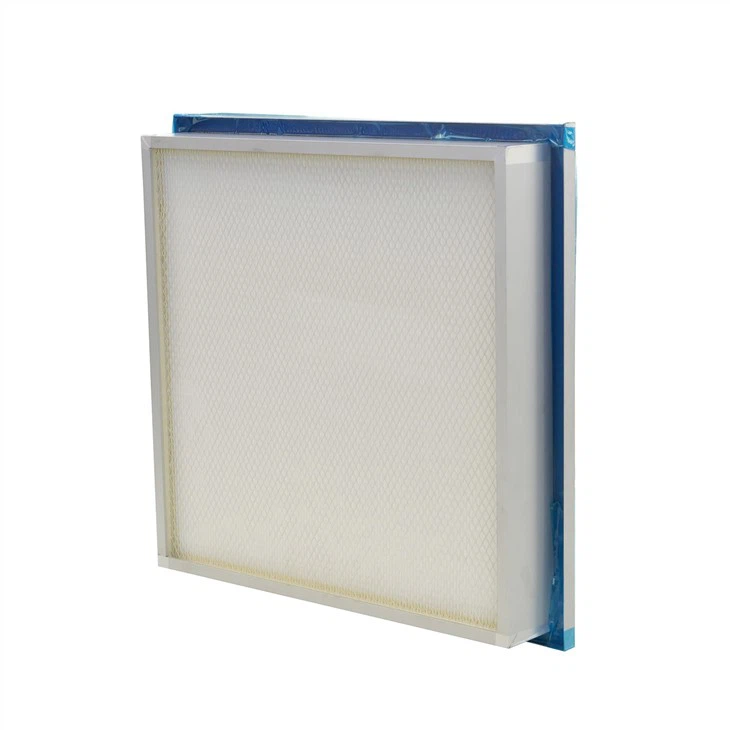
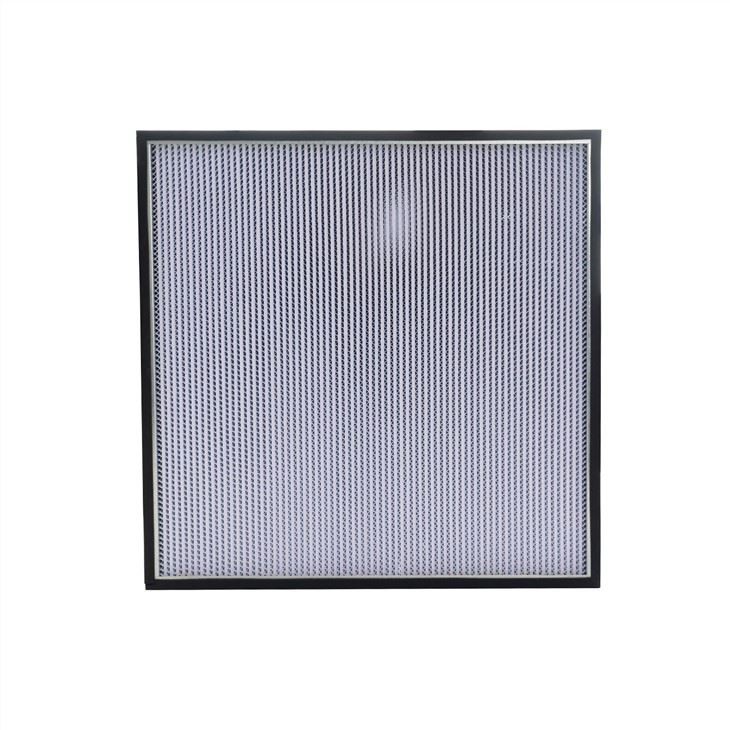
The fire resistance of HEPA and ULPA filters largely depends on the materials they're made of. Most HEPA and ULPA filters consist of a filter media, a frame, and a separator.
The filter media is typically made of glass fibers. Glass fibers are inherently fire-resistant because they're made from inorganic materials that don't burn easily. They can withstand high temperatures without melting or catching fire, making them a great choice for applications where fire safety is a concern.
The frame of the filter can be made from different materials, such as aluminum, plastic, or cardboard. Aluminum frames are highly fire-resistant, as aluminum has a high melting point and doesn't burn. Plastic frames, on the other hand, vary in their fire resistance. Some plastics are formulated to be fire-retardant, meaning they're treated with chemicals that slow down or prevent the spread of fire. Cardboard frames are the least fire-resistant option, as cardboard is a combustible material. However, in many applications where fire safety is a top priority, cardboard frames are not used.
The separator, which keeps the filter media pleats separated, can also affect the fire resistance of the filter. Some separators are made of aluminum, which is fire-resistant, while others are made of paper or plastic. Paper separators are combustible, but plastic separators can be made fire-retardant.
Fire Resistance Standards
There are several standards and regulations that govern the fire resistance of HEPA and ULPA filters. One of the most well-known standards is UL 94, which is a flammability standard for plastic materials. Filters with plastic components, such as frames or separators, are often tested to meet UL 94 standards. The UL 94 ratings range from V-2 (the least fire-resistant) to 5VA (the most fire-resistant). A filter with a high UL 94 rating is less likely to catch fire and spread flames.
Another important standard is the NFPA (National Fire Protection Association) codes. These codes set guidelines for fire safety in various industries and applications. For example, in cleanrooms used in the semiconductor industry, NFPA codes require the use of fire-resistant materials, including HEPA and ULPA filters.
Real-World Applications and Fire Risks
In real-world applications, the fire resistance of HEPA and ULPA filters can have a significant impact on safety. Let's take a look at a few examples:
- Hospitals: In hospitals, HEPA and ULPA filters are used to maintain clean air in operating rooms, isolation rooms, and other critical areas. A fire in a hospital can be extremely dangerous, as it can spread quickly and endanger the lives of patients and staff. Fire-resistant filters help prevent the spread of fire and reduce the risk of smoke inhalation.
- Semiconductor Manufacturing Cleanrooms: Cleanrooms in the semiconductor industry require a high level of air purity. These cleanrooms are filled with sensitive equipment that can be damaged by fire. Using fire-resistant filters helps protect the equipment and prevent costly downtime.
- Residential Air Purification Systems: While the fire risk in a residential setting is lower compared to hospitals and cleanrooms, it's still important to use fire-resistant filters. A fire in a home can quickly spread and cause significant damage. Fire-resistant filters can help slow down the spread of fire and give residents more time to evacuate.
Our Products and Fire Resistance
At our company, we offer a variety of HEPA and ULPA filters that are designed with fire resistance in mind. For example, our Liquid Tank Filter Without Partition uses a fire-resistant aluminum frame and glass fiber media, providing excellent fire safety. Our PTFE HEPA Air Filter is also highly fire-resistant, as PTFE (polytetrafluoroethylene) has good fire-retardant properties. And our Sub High Efficiency Filter With Partition is available with fire-retardant plastic separators and aluminum frames for enhanced fire resistance.
Contact Us for Your Filter Needs
If you're in the market for HEPA or ULPA filters, it's essential to consider fire resistance as a key factor. We're here to help you choose the right filters for your specific application. Whether you need filters for a hospital, a cleanroom, or a residential air purification system, we have the expertise and products to meet your requirements.
Don't hesitate to contact us to discuss your needs and get a quote. Our team of experts is ready to help you make the best decision for your fire safety and air filtration needs.
References
- UL 94 Standard for Tests for Flammability of Plastic Materials for Parts in Devices and Appliances
- National Fire Protection Association (NFPA) Codes and Standards