

Can a HEPA diffuser be used with essential oils?
Can a HEPA diffuser be used with essential oils? This is a question that many consumers and enthusiasts in the air - purification and aromatherapy fields often ask. As a HEPA diffuser supplier, I'd like to delve into this topic in detail to provide you with a comprehensive understanding.
Understanding HEPA Diffusers
First, let's understand what a HEPA diffuser is. HEPA stands for High - Efficiency Particulate Air. A HEPA diffuser is a device that incorporates HEPA filter technology. The primary function of a HEPA filter is to capture and remove tiny particles from the air, such as dust, pollen, pet dander, and even some bacteria and viruses. HEPA filters are designed to trap particles as small as 0.3 microns with an efficiency of 99.97%.
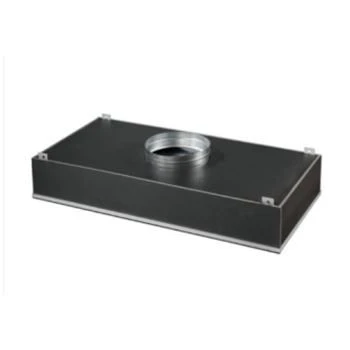
HEPA diffusers are commonly used in various settings, including homes, offices, and hospitals, to improve indoor air quality. They work by pulling in air, passing it through the HEPA filter, and then releasing the purified air back into the environment. There are different types of HEPA - related products available on the market, such as the Indoor Replacement Air Filter Box, Ceiling Replaceable HEPA ULPA Filter, and Disposable Ducted Ceiling Terminal HEPA Filter. These products are designed to meet different air - purification needs in various indoor spaces.

The Appeal of Essential Oils
Essential oils have gained significant popularity in recent years. They are concentrated plant extracts that capture the natural scents and therapeutic properties of plants. Different essential oils are believed to have various benefits, such as promoting relaxation, improving sleep, enhancing focus, and even having antibacterial and anti - inflammatory effects. For example, lavender essential oil is well - known for its calming and sleep - inducing properties, while peppermint essential oil can help with mental clarity and headache relief.
The Compatibility of HEPA Diffusers and Essential Oils
Now, let's address the main question: Can a HEPA diffuser be used with essential oils? The short answer is that it is generally not recommended, but there are some nuances to consider.
Negative Impacts on the HEPA Filter
Essential oils are composed of volatile organic compounds (VOCs). When essential oils are introduced into a HEPA diffuser, the VOCs can coat the HEPA filter fibers. This coating can reduce the filter's ability to capture particles effectively. The essential oil residues can clog the tiny pores in the HEPA filter, preventing air from flowing freely through it. As a result, the air - purification efficiency of the HEPA diffuser will decrease over time. Additionally, the presence of essential oils on the filter can promote the growth of mold and bacteria, which is counterproductive to the goal of improving indoor air quality.
Safety Concerns
Some essential oils can be flammable. If a HEPA diffuser has any heating elements or electrical components, there is a risk of fire when essential oils are used in it. Moreover, inhaling concentrated essential oil vapors in an enclosed space can cause respiratory irritation, especially for people with sensitive respiratory systems, allergies, or asthma.
Alternative Options
However, if you still want to enjoy the benefits of both air purification and aromatherapy, there are alternative solutions. You can use a separate essential oil diffuser alongside your HEPA diffuser. There are many types of essential oil diffusers available, such as ultrasonic diffusers, nebulizing diffusers, and heat - based diffusers. Ultrasonic diffusers work by using ultrasonic vibrations to break essential oil molecules into tiny particles and disperse them into the air as a fine mist. Nebulizing diffusers use compressed air to atomize the essential oil. Heat - based diffusers, on the other hand, heat the essential oil to release its aroma.
Maintaining Your HEPA Diffuser
Whether you choose to use essential oils or not, proper maintenance of your HEPA diffuser is crucial. Regularly replace the HEPA filter according to the manufacturer's instructions. This ensures that the diffuser continues to function at its best and provides optimal air - purification performance. You should also clean the exterior of the diffuser regularly to prevent the accumulation of dust and dirt.
Conclusion
In conclusion, while the idea of combining a HEPA diffuser with essential oils may seem appealing, it is generally not a good idea due to the potential negative impacts on the HEPA filter and safety concerns. As a HEPA diffuser supplier, I always recommend using a dedicated essential oil diffuser for aromatherapy and a HEPA diffuser for air purification. This way, you can enjoy the benefits of both without compromising the performance and safety of your devices.
If you are interested in purchasing high - quality HEPA diffusers or related products, we are here to assist you. We offer a wide range of HEPA - based air - purification solutions to meet your specific needs. Whether you need a product for a small home office or a large commercial space, we have the right solution for you. Contact us to start a purchase negotiation and take the first step towards improving your indoor air quality.
References
- American Lung Association. "Understanding HEPA Filters."
- National Center for Biotechnology Information. "Volatile Organic Compounds in Indoor Air: Sources, Concentrations, and Health Effects."
- International Federation of Aromatherapists. "Safety Guidelines for Essential Oil Use."