

How to extend the lifespan of a Cleanroom Pass Box?
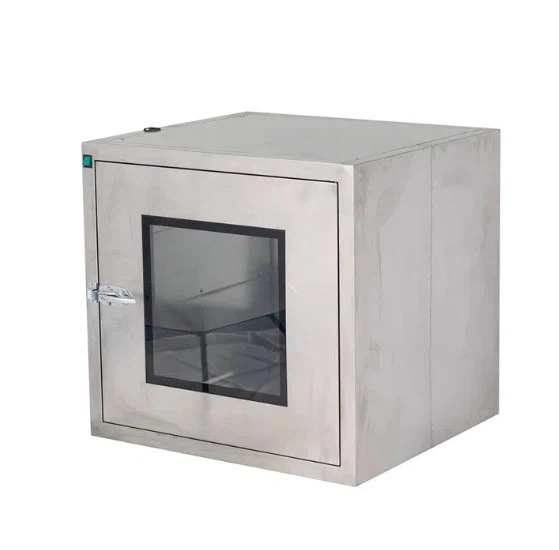
In the realm of cleanroom technology, the Cleanroom Pass Box stands as a crucial component, serving as a gateway for the transfer of materials between different cleanroom environments while maintaining strict contamination control. As a leading Cleanroom Pass Box supplier, we understand the significance of extending the lifespan of these essential units. This not only ensures cost - effectiveness for our clients but also guarantees the continuous and reliable operation of their cleanroom facilities. In this blog, we will explore a series of scientific and practical strategies to achieve this goal.
1. Regular Maintenance and Inspections
One of the most fundamental ways to extend the lifespan of a Cleanroom Pass Box is through regular maintenance and inspections. Just like any other mechanical or electrical equipment, a Pass Box requires consistent attention to keep it in optimal condition.

Filter Replacement
The filters in a Cleanroom Pass Box play a vital role in removing particles and contaminants from the air. Over time, these filters become clogged with debris, which reduces their efficiency and can put additional strain on the ventilation system. We recommend following the manufacturer's guidelines for filter replacement. Typically, pre - filters may need to be replaced every 3 - 6 months, while high - efficiency particulate air (HEPA) filters can last 1 - 2 years, depending on usage. By regularly replacing filters, you can prevent the buildup of contaminants that could damage the internal components of the Pass Box.
Sealing Checks
The seals around the doors and access points of the Pass Box are essential for maintaining the integrity of the cleanroom environment. Over time, these seals can degrade due to wear and tear, temperature changes, and exposure to chemicals. Regularly inspect the seals for signs of damage, such as cracks, tears, or loss of elasticity. If any issues are detected, replace the seals immediately. This will prevent the leakage of air and contaminants, ensuring that the Pass Box continues to function effectively.
Electrical and Mechanical Component Inspections
The electrical and mechanical components of the Pass Box, such as motors, sensors, and control panels, should also be inspected regularly. Check for loose connections, frayed wires, or signs of overheating. Lubricate moving parts as recommended by the manufacturer to reduce friction and prevent premature wear. By identifying and addressing potential issues early, you can avoid costly breakdowns and extend the lifespan of the Pass Box.
2. Proper Installation and Placement
The installation and placement of a Cleanroom Pass Box can have a significant impact on its lifespan.
Correct Installation
Ensure that the Pass Box is installed by trained professionals according to the manufacturer's instructions. Improper installation can lead to a variety of problems, such as misaligned doors, poor sealing, and uneven airflow. During installation, pay attention to the levelness of the unit, the tightness of the mounting bolts, and the proper connection of electrical and ventilation systems. A well - installed Pass Box will operate more smoothly and have a longer lifespan.
Optimal Placement
Choose the right location for the Pass Box within the cleanroom. Avoid placing it near sources of heat, moisture, or vibration, as these can cause damage to the internal components. The Pass Box should be installed in an area with adequate ventilation to prevent the buildup of heat and humidity. Additionally, ensure that there is enough space around the Pass Box for easy access for maintenance and inspections.
3. Operator Training
Proper operator training is essential for the long - term performance of a Cleanroom Pass Box.
Standard Operating Procedures (SOPs)
Develop and implement comprehensive SOPs for the use of the Pass Box. Train operators on how to open and close the doors correctly, how to operate the control panels, and how to handle materials safely. Following the SOPs will prevent improper use of the Pass Box, which can lead to damage and reduced lifespan.
Awareness of Contamination Risks
Educate operators about the importance of contamination control and the role of the Pass Box in maintaining a clean environment. Encourage them to report any issues or abnormalities with the Pass Box immediately. By creating a culture of awareness and responsibility, operators can contribute to the extended lifespan of the Pass Box.
4. Environmental Control
The cleanroom environment in which the Pass Box operates can also affect its lifespan.
Temperature and Humidity Control
Maintain stable temperature and humidity levels within the cleanroom. Extreme temperatures and high humidity can cause damage to the electrical and mechanical components of the Pass Box, as well as promote the growth of mold and bacteria. Use environmental control systems, such as air conditioning and dehumidifiers, to keep the temperature and humidity within the recommended range.
Air Quality
Ensure that the air quality in the cleanroom is of high standard. The Pass Box is designed to work in a clean environment, and exposure to high levels of contaminants can accelerate the wear and tear of its components. Use air filtration systems, such as HEPA filters, to remove particles and contaminants from the air.
5. Use of High - Quality Components
As a Cleanroom Pass Box supplier, we emphasize the use of high - quality components in our products.
Material Selection
Choose Pass Boxes made from high - quality materials, such as stainless steel. Stainless steel is corrosion - resistant, durable, and easy to clean, making it an ideal material for cleanroom applications. Our Stainless Steel Pass Through Window is designed with these high - quality materials to ensure long - term performance.
Component Quality
Ensure that all internal components, such as motors, sensors, and filters, are of high quality. High - quality components are more reliable, have a longer lifespan, and require less frequent replacement. Our Clean Room Transfer Box and Cleanroom Pass Box are equipped with top - notch components to provide our clients with long - lasting solutions.
In conclusion, extending the lifespan of a Cleanroom Pass Box requires a combination of regular maintenance, proper installation, operator training, environmental control, and the use of high - quality components. As a trusted Cleanroom Pass Box supplier, we are committed to providing our clients with the best products and support to ensure the long - term performance of their cleanroom facilities. If you are interested in learning more about our Cleanroom Pass Boxes or have any questions regarding their maintenance and lifespan extension, we encourage you to contact us for procurement discussions. Our team of experts is ready to assist you in finding the most suitable solutions for your cleanroom needs.
References
- Cleanroom Technology Handbook, various authors
- Manufacturer's manuals for Cleanroom Pass Boxes
- Industry standards for cleanroom equipment maintenance