

Is PTFE HEPA Filter environmentally friendly?
Is PTFE HEPA Filter Environmentally Friendly?
In today's world, environmental concerns are at the forefront of many industries, and the air filtration sector is no exception. As a supplier of PTFE HEPA filters, I often encounter questions regarding the environmental friendliness of these products. In this blog post, I will delve into the various aspects of PTFE HEPA filters to determine whether they can be considered environmentally friendly.
Understanding PTFE HEPA Filters
Before we can assess the environmental impact of PTFE HEPA filters, it's essential to understand what they are. PTFE, or polytetrafluoroethylene, is a synthetic fluoropolymer known for its exceptional chemical resistance, low friction, and high heat resistance. When used in HEPA (High-Efficiency Particulate Air) filters, PTFE provides a high level of filtration efficiency, capturing particles as small as 0.3 microns with an efficiency of 99.97% or higher.

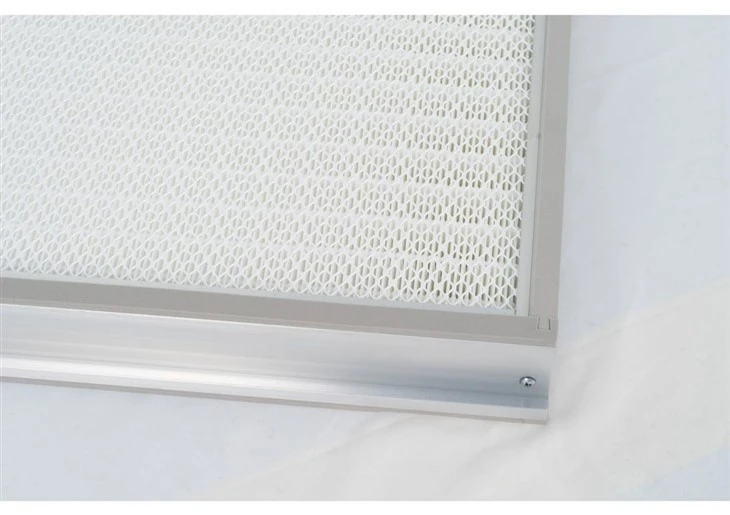
These filters are commonly used in a variety of applications, including Industrial Hepa Air Purifier, cleanrooms, hospitals, and laboratories, where maintaining a high level of air quality is crucial. They are also available in different configurations, such as the Aluminum Frame HEPA Filter Without Partition, which offers a compact and efficient design.
Environmental Benefits of PTFE HEPA Filters
One of the primary environmental benefits of PTFE HEPA filters is their long lifespan. Compared to traditional filters, PTFE HEPA filters can last significantly longer, reducing the frequency of filter replacements. This not only saves resources but also reduces the amount of waste generated. Additionally, the high filtration efficiency of PTFE HEPA filters means that they can effectively remove harmful particles from the air, improving indoor air quality and reducing the need for energy-intensive ventilation systems.
Another advantage of PTFE HEPA filters is their chemical resistance. PTFE is highly resistant to chemicals, which means that these filters can be used in environments where exposure to corrosive substances is a concern. This reduces the need for frequent filter replacements due to chemical damage, further minimizing waste.
Potential Environmental Concerns
While PTFE HEPA filters offer many environmental benefits, there are also some potential concerns that need to be addressed. One of the main concerns is the production of PTFE itself. The manufacturing process of PTFE involves the use of perfluorooctanoic acid (PFOA), a chemical that has been linked to various health and environmental issues. However, in recent years, many manufacturers have taken steps to reduce or eliminate the use of PFOA in the production of PTFE.
Another concern is the disposal of PTFE HEPA filters. PTFE is a non-biodegradable material, which means that it can persist in the environment for a long time. When these filters reach the end of their lifespan, they need to be disposed of properly to prevent environmental contamination. Some recycling options are available for PTFE materials, but they are still limited and may not be widely accessible.
Mitigating Environmental Impact
To mitigate the potential environmental impact of PTFE HEPA filters, it's important to choose products from manufacturers that are committed to sustainability. Look for filters that are made using PFOA-free PTFE and have a high level of recyclability. Additionally, proper disposal and recycling of used filters can help reduce waste and minimize the environmental footprint.
As a supplier, we are committed to providing our customers with environmentally friendly PTFE HEPA filters. Our PTFE HEPA ULPA Air Filter is made using PFOA-free PTFE and is designed for maximum efficiency and durability. We also offer recycling programs for used filters to ensure that they are disposed of in an environmentally responsible manner.
Conclusion
In conclusion, PTFE HEPA filters can be considered environmentally friendly when used and disposed of properly. Their long lifespan, high filtration efficiency, and chemical resistance offer significant environmental benefits, while the potential concerns can be mitigated through responsible manufacturing and disposal practices.
If you are interested in learning more about our PTFE HEPA filters or have any questions regarding their environmental impact, please feel free to contact us. We are here to help you make an informed decision and provide you with the best air filtration solutions for your needs.
References
- "High-Efficiency Particulate Air (HEPA) Filters: Principles and Applications." Journal of the Air & Waste Management Association.
- "Perfluorooctanoic Acid (PFOA) and Related Compounds: A Review of Environmental and Health Effects." Environmental Science & Technology.
- "Recycling of Fluoropolymers: A Review of Current Technologies and Future Perspectives." Journal of Fluorine Chemistry.