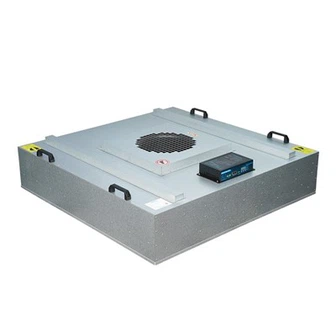
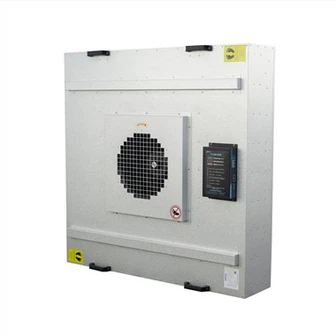
Air Shower Introduction
Air Shower Introduction are specialized enclosed areas designed to remove contaminants from personnel and equipment prior to entering clean areas, such as a cleanroom or laboratory. They employ high-efficiency particulate air (HEPA) filters to remove particles greater than 0.3 microns in size. Air showers are typically used in a variety of industries, including pharmaceuticals, electronics, and aerospace, where the presence of contaminants could compromise the integrity of sensitive products or experiments.
Air showers are built with two chambers - an entry chamber and an exit chamber - with interlocking doors to prevent cross-contamination between the two areas. Personnel or equipment entering the air shower first enter the entry chamber and then proceed to the exit chamber. As soon as the personnel or equipment enter the entry chamber, the HEPA filters in the system activate, blowing air at a high velocity from nozzles located in the ceiling and walls. The air flow removes loose particles that are present on the personnel or equipment.

Different types of air showers are available depending on specific application requirements. For example, ceiling-mounted air showers are used where space is limited and a high level of cleanroom classification is required. Pass-through air showers are used where materials or personnel need to transition between two clean areas. Portable air showers can be transported between different locations and are ideal for use in construction applications.
Air Shower Introduction are equipped with ultraviolet germicidal irradiation (UVGI) systems, which irradiate the HEPA filter and surfaces within the air shower to kill microorganisms. This minimizes the potential for contamination in the exit chamber.
air showers are an essential tool in maintaining the cleanliness of cleanrooms and laboratories, and in preventing the contamination of sensitive products or experiments.