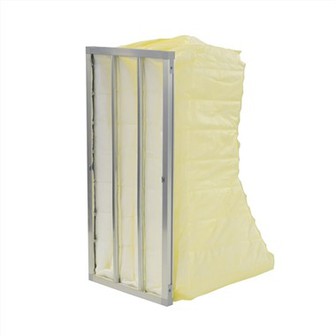
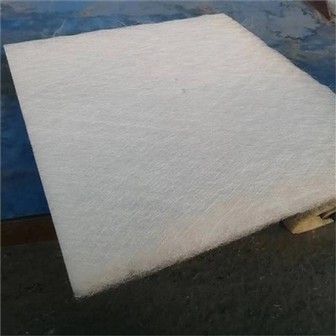
Medium Room Air Purifier
Medium Room Air Purifier Microbial monitoring of air purification in clean operating rooms includes two methods: static air sampling and dynamic air sampling. For sampling, two methods, plate sedimentation method and air sampler method, can be selected.
Static air sampling method:
(1) Sampling time: after the acceptance of new houses, maintenance or replacement of purification equipment, after self-purification of the clean system and before engaging in medical activities.
(2) Sampling method:
① Static air sampling should be carried out after other items have been tested and the entire room surface has been routinely cleaned and disinfected.
② When the air supply vents are arranged in a centralized manner, the operating area and surrounding areas should be tested separately. When the air supply vents are dispersedly arranged, the entire room should be tested uniformly. The sampling points can be arranged on the ground or at any height not higher than 0.8m above the ground.
|
|
method of spot parameter measurement | Operating area diagram | ||
|
IGrade 100 clean operating room and clean auxiliary room area
IPeripheral region of stage |
5dot(Double diagonal layout)
8dot(Two points on each side) |
|
||
|
II-IIIGrade clean operating room operating area
IIPeripheral region of stage
|
3dot(Lay the dots diagonally)
6dot(Two on the long side, one on the short side) 4dot(One point inside each side)
|
|
||
|
IVGrade clean operating room and clean room with dispersed air outlet area﹥30m2
area﹤30m2
|
4dot(Avoid directly below the air supply)
2dot(Avoid directly below the air supply)
|
|
Note: The distance between the sampling points distributed in the front projection area of the concentrated air supply surface and the adjacent two sides is 0.12 meters.
③When using the plate sedimentation method for sampling, the number of sampling points must not be less than the number of points in the sample, but must also meet the minimum number of petri dishes specified.
④ No matter which method is used to detect bacterial density, there must be two blank controls. For the first time, conduct a comparative test on the petri dishes or culture strips used for testing, one control dish for each batch. The second time is during the test, one control dish per room or area is used to conduct a control test on the operation process and simulate the operation process, but the petri dish or culture strip should be capped immediately after opening. Both control results must be negative, and the entire operation must meet the requirements for aseptic operation.
⑤ The culture medium or petri dish after sampling should be immediately placed in a 36°C + 1°C incubator for 48 hours, and the number of growing colonies should be counted. The average number of colonies should be rounded to one decimal place.

Classification standards for hospital clean operating rooms:
The hospital's clean operating room rooms are divided into four levels, and the air cleanliness level is used as a necessary guarantee. The classification of clean operating rooms and clean auxiliary rooms should comply with the standards of "Technical Specification for Construction of Hospital Clean Operating Rooms GB50333--2002"
Classification of main clean and auxiliary rooms
Level room name
I Special laboratories requiring aseptic operation
II extracorporeal circulation perfusion preparation room
III Hand scrubbing room, disinfection preparation room, pre-anesthesia room, Medium Room Air Purifier disposable items, sterile dressings, instruments and precision instruments
Storage room, nurse station, clean corridor, intensive care unit (ICU)
IV recovery (anesthesia recovery) room and locker room (second update), cleaning corridors
Daily management of air purification system in clean operating room:
1. The daily management and maintenance of the air purification system in the clean operating room should be the responsibility of professional technicians.
2. The common air supply vents of the air handling unit should be inspected and cleaned every month. When the air outlet surface of the air supply end is contaminated, it should be replaced in time.
3. When the pressure difference displayed by the pressure measuring hole or micromanometer reaches the set parameter that needs to be replaced, the filter should be replaced.
4. The non-self-cleaning primary filter should be cleaned once every 2 days, and there should be no visible lint or other attachments.
5. The air purification device should be turned on normally 30 minutes before the first surgery every day, and the environmental parameters should meet the requirements of GB50333--2002
6. For consecutive surgeries, the floor and surfaces of the operating rooms should be cleaned and disinfected with an interval of no less than 30 minutes.
7. After the full-day surgery is completed and cleaning and disinfection are carried out, the air purification system needs to continue to run for 30 minutes.
8. The air purification device should be used within the validity period, maintained and replaced regularly according to the manufacturer's instructions, and replaced promptly after contamination.
9. Disinfection of the floor and surfaces of various utensils and equipment in the negative pressure operating room should be carried out before each start and after the operation. The purification system should be continuously operated for more than 30 minutes after the cleaning and disinfection work is completed. At this time, the same type of disinfection can be carried out. Multiple surgeries for pathogenic infections. When it is confirmed that the exhaust unit is contaminated after special infection surgery, first use effective disinfectant to treat the outer surface of the exhaust outlet, and then replace the high-efficiency filter. The operator should take protective measures and should choose a filter unit that can be safely and easily disassembled.
10. The radiator of the heat exchanger unit should be sprayed with high-pressure tap water every week and kept clean and dry.
11. The water tray and water tower under the humidifier and refrigerator inside the air conditioner should be cleaned every week to remove dirt and kept dry and clean.
12. The water baffle should be cleaned every week and kept dry.
13. Condensate drainage points should be inspected daily and cleaned weekly.
14. The coarse-efficiency filter should be replaced every 1-2 months; the Medium Room Air Purifier medium-efficiency filter should be replaced every 3 months; the medium-efficiency filter should be replaced every 4 months; the sub-high-efficiency filter should be replaced every 12 months. The above should be replaced once; the high-efficiency filter should be replaced once every 36 months or more.

Factory Show:


FAQ:
Q1.Are you a manufacture or trading company?
A:We are a manufacure.
Snyli Environmental Technology (Shandong) Co., Ltd was established in 2010, is a professional service provider of air purification products integrating R&D, production and sales, with registered brand- SYNLI.
Q2: Where are air filters commonly used?
A :HAVC(heating, air conditioning and ventilation systems) painting stations, chemical plants, pharmaceutical plants, cement or asphalt powder plants, clean rooms, power stations, heavy metal industries, gas turbines and cogeneration power plants, engineering and equipment plants, drying and baking rooms, hospitals, etc.
Q3: What are your testing criteria?
A: EN779:2012 ISO9001
Q4: What is the international standard for air filters?
A:Euro :Pre (G1-G4), Medium (F5-F9), HEPA (H10-H14) ULPA (U15-U17)
American :Pre (MERV5-7), Medium (MERV8-14), HEPA (MERV15-19) ULPA(MERV 20)
Q5: What is your sample policy?
A: The sample price will be the product price of the standard order. If you make a demo order after receiving the sample and proofing (reaching our MOQ), we will roughly understand the sample price and sample price in the order, and give us your MOQ price.
Q6: How about your after-sales service?
A: Even if we have confidence in the quality of our products, the products may be damaged due to some unpredictable reasons. Please use and maintain the products you purchased correctly in accordance with the user manual or the recommendations of the sales staff. Contact the household to understand the usage of the product, provide suggestions or support professional maintenance services according to the warranty policy.