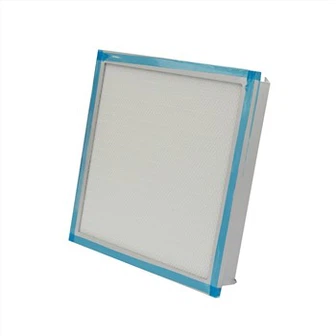
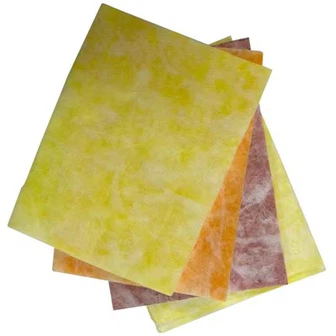
Why Data Centers Need Reliable Medium-Efficiency Filtration?
Data centers are the backbone of our digital world. They store our data, run our applications, and power modern businesses. But these facilities face a hidden threat: airborne contamination.
Dust, particles, and gases can damage sensitive IT equipment. They can cause overheating, short circuits, and even complete hardware failure. This is why air filtration is not optional for data centers. It is a critical requirement .
At SNYLI, we understand the challenges data center operators face. We know that reliable filtration protects your investment and keeps your systems running smoothly. Let us explain why medium-efficiency filtration, especially MERV 13 or F7 grade filters, is the right choice for your data center.

The Hidden Danger: Airborne Contaminants
Data centers contain highly sensitive electronic equipment. Modern servers have tiny circuit boards and close component spacing. This makes them vulnerable to contamination .
Contaminants come from two main sources:
External sources include car exhaust, industrial emissions, sea salt, pollen, and wind-blown dust. These particles enter through air conditioning units, open doors, and ventilation systems .
Internal sources include human skin cells, clothing fibers, toner dust, construction materials, and zinc whiskers. Zinc whiskers are tiny conductive particles that grow on galvanized steel floor tiles. They can break off and cause short circuits on circuit boards .
Once inside, these contaminants cause three types of damage:
- Mechanical damage: Particles block cooling fans and heatsinks. Equipment must work harder to stay cool. This increases energy use and can shorten equipment life .
- Electrical damage: Conductive particles like zinc whiskers bridge between circuit traces. This causes short circuits and equipment failure. As servers get smaller, this risk grows .
- Corrosion damage: Gaseous contaminants like sulfur dioxide and hydrogen sulfide react with metals. They corrode copper and silver components. This leads to permanent, irreparable damage.
Industry Standards: What the Guidelines Say
Leading hardware manufacturers and industry bodies have set clear standards for data center air quality.
ISO 14644-1 Class 8 is the cleanliness standard for data centers. This means the air must be much cleaner than a typical office environment .
ASHRAE TC 9.9 provides thermal guidelines for data centers. They also recommend specific filtration levels. The air entering the data center should be filtered with a MERV 11 filter or better .
Hardware manufacturers like Dell, IBM, and Supermicro have similar requirements. They recommend continuous filtration with MERV 8 or better. For incoming air, they specify MERV 11 or higher .
Many warranties now require proof that equipment operated within these environmental limits. This makes proper filtration a business necessity, not just a best practice.
Why Medium-Efficiency (MERV 13 / F7) Is the Smart Choice
MERV 13 and F7 filters offer the ideal balance for data centers.
What MERV 13 Can Capture
MERV 13 filters capture approximately:
90% of particles 3–10 microns (dusting aids, cement dust)
80–85% of particles 1–3 microns (lead dust, coal dust)
35–50% of particles 0.3–1 micron (smoke, sneeze nuclei)
This level of filtration is effective against most common data center contaminants, including airborne dust and fine particles that can harm equipment.
Balancing Efficiency and Energy Cost
Higher MERV ratings provide better protection but increase airflow resistance. This requires more fan power. However, studies show the increase is manageable. MERV 14 filters increased fan power by about 10% compared to MERV 7. But the chiller energy savings from using economizers far outweighed this increase .
When using air-side economizers, MERV 11 or MERV 13 filters are specifically recommended. They help maintain ISO Class 8 cleanliness even when bringing in outside air .
The F7 Advantage
F7 filters (equivalent to MERV 13) are widely used in commercial HVAC systems. They are effective, cost-efficient, reliable. For data centers, they provide the "sweet spot" between protection and energy efficiency.
The Business Case for Reliable Filtration
Investing in quality filtration delivers clear business benefits:
1. Reduced Downtime
Hardware failures caused by contamination lead to costly downtime. Even a few hours of downtime can cost millions in lost revenue. Proper filtration reduces this risk significantly .
2. Lower Energy Costs
Filters with low pressure drop reduce fan energy consumption. Some data center filters are specifically designed to lower PUE (Power Usage Effectiveness) through better airflow .
3. Extended Equipment Life
Cleaner air means less wear on cooling fans, heatsinks, and internal components. This extends the useful life of your IT equipment.
Data centers face a constant threat from airborne contamination. Dust, particles, and gases can damage sensitive electronics, increase energy costs, and cause downtime. Industry standards from ISO, ASHRAE, and major hardware manufacturers all emphasize the importance of proper filtration.
Medium-efficiency filters like MERV 13 or F7 provide the ideal balance of protection and energy efficiency. They capture harmful particles while maintaining reasonable airflow resistance. For data center operators, this is a smart, cost-effective choice.
At SNYLI, we are committed to helping you protect your data center investment. Our F7 synthetic fiber bag filters are designed with data centers in mind. They deliver reliable performance, low pressure drop, and consistent quality.

Your equipment works hard to keep your business running.
Let us help you keep it safe!