The advantages and disadvantages of Fiberglass filter bag
The Definition of Fiberglass Filter
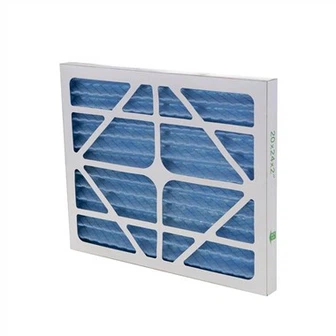
The 1-inch blue fiberglass filters are the ones you'll typically find at big-box retailers and hardware stores. They usually have a MERV rating between 1 and 4 and are made of spun glass that traps big particles from the air in your home. And also they will be designed in different colors, enach color stands for one kind of filter efficiency. And also they will be divided into prefilter pocket, medium pocket filter.
Because fiberglass filters are only intended to last for around 30 days before they need to be thrown away and replaced, they are frequently referred to as "throwaway" or "disposable" filters.

Advantages of Fiberglass Filter
◆ When compared to more sophisticated filters like pleated filters or whole-house air cleaners, fiberglass air filters have the biggest cost advantage. A single fiberglass filter can usually be purchased at a very low price, and you can locate them at practically any department, grocery, or big-box shop.
◆ If necessary, increase system treatment capacity by 50 to 50% without significantly changing the dust
◆ By efficiently raising the bag up to the bag distance, the system's cleaning effectiveness is greatly boosted.
Disadvantages of Fiberglass Filter
● Short service life. A new one is required every 30 days. Fiberglass filters are only intended to endure for 30 days at a time, in contrast to many modern filters that can last three months or longer. They need to be replaced after 30 days since they become ineffective.
● Reduce the efficiency of your system substantially. Your furnace or air conditioner will lose a lot of efficiency if you forget to change your fiberglass filter. This is because fiberglass filters clog up quickly, making your air handler work very hard and consume a lot of energy to make up for it.
● Small-particle removal is ineffective. The air in your home is only intended to be cleaned by fiberglass filters if the particles are large. This means that they do very little to safeguard your health and very minimally protect your heating and cooling system.
● Ineffective for allergies or asthma. The smallest particles in the air in our houses contain allergens and other airborne pollutants that are harmful to our health. Fiberglass filters won't stop the spread of diseases or lessen allergy and asthma symptoms like more sophisticated filtering systems will because these tiny particles will pass right by them.
Applications of Fiberglass Filter
To remove dust from the surrounding air, HVAC systems use pocket filters. They are frequently employed in hospitals in the pharmaceutical industry as prefilters for HEPA filters or as final filters in commercial applications.