How to Choose the Right HEPA Filter Supplier for Pharmaceutical Cleanrooms?
In pharmaceutical manufacturing, air quality control is one of the most critical factors affecting product safety, regulatory compliance, and production efficiency.
A reliable HEPA filtration system helps pharmaceutical facilities maintain controlled environments by removing airborne particles, microorganisms, and contaminants from the production area.
However, choosing the right pharmaceutical cleanroom HEPA filter supplier is not simply a matter of comparing prices. A poor-quality filter, inaccurate efficiency rating, or unreliable supplier may create contamination risks, increase maintenance costs, and affect compliance with GMP requirements.
For pharmaceutical companies, cleanroom contractors, and HVAC engineering firms, selecting a professional HEPA filter manufacturer requires careful evaluation of technical capability, testing standards, customization ability, and long-term service support.
This guide explains the key factors buyers should consider when choosing a reliable pharmaceutical cleanroom HEPA filter supplier.
1. Understand the Requirements of Pharmaceutical Cleanroom HEPA Filters
Before selecting a supplier, buyers should first understand what type of HEPA filtration system their cleanroom requires.
Pharmaceutical facilities commonly operate under strict environmental control requirements, including:
- GMP regulations
- ISO 14644 cleanroom classification
- Particle concentration control
- Sterility assurance requirements
Different cleanroom classifications require different filtration performance.
For example:
- ISO Class 5 cleanrooms often require terminal HEPA filtration with extremely high particle removal efficiency.
- ISO Class 7 and ISO Class 8 environments may use combinations of pre-filters and fine filters, and may or may not require terminal HEPA filtration depending on the specific process risks.
A professional pharmaceutical cleanroom HEPA filter supplier should be able to recommend suitable filtration solutions based on:
- Cleanroom classification
- Air volume requirements
- Installation method
- Pressure drop requirements
- Operating conditions
A supplier that only provides standard products without understanding cleanroom applications may not be able to deliver an optimized solution.

2. Check HEPA Filter Certifications and Testing Standards
One of the most important factors when choosing a HEPA filter manufacturer is verifying product testing and certification.
A qualified supplier should provide clear technical documentation, including:
HEPA Filter Efficiency Test Reports
High-efficiency filters should be tested according to recognized standards such as:
- EN 1822
- ISO 29463
These standards define HEPA and ULPA filter classification and testing procedures.
Individual Leak Testing
For pharmaceutical applications, filter integrity is extremely important.
Reliable manufacturers should perform:
- DOP testing
- PAO testing
- Aerosol leak scanning
Individual testing helps confirm that each HEPA filter meets required performance levels before shipment.
Material and Production Quality Control
Buyers should also evaluate:
- Filter media quality
- Separator materials
- Frame construction
- Seal materials
- Manufacturing environment
A professional HEPA filter supplier China should have a complete quality control process rather than relying only on final inspection.
3. Evaluate the Manufacturer's Cleanroom Filtration Experience
Not every air filter manufacturer has experience with pharmaceutical applications.
Pharmaceutical cleanrooms have stricter requirements compared with general commercial HVAC systems.
A qualified supplier should understand:
- GMP production environments
- Sterile manufacturing requirements
- Cleanroom airflow patterns
- Terminal HEPA installation
- Contamination control strategies
When evaluating a supplier, ask:
How many pharmaceutical projects have you supported?
Experience with similar applications indicates that the supplier understands real-world challenges.
Do you provide customized solutions?
Different pharmaceutical projects may require:
- Non-standard dimensions
- Special frame materials
- Gel seal configurations
- Different pressure drop designs
A capable manufacturer should support OEM and customized production.
4. Compare Gel Seal HEPA Filters and Gasket Seal HEPA Filters
Pharmaceutical cleanrooms often use terminal HEPA filters installed in ceilings or air handling systems.
Two common sealing methods include:
Advantages:
- Traditional installation method
- Easy replacement
- Widely used
Limitations:
- Installation quality affects sealing performance
- Potential leakage if improperly installed
Advantages:
- Better airtight performance
- Reduced installation leakage risk
- Suitable for critical cleanroom environments
Gel seal HEPA filters are commonly selected for applications requiring higher contamination control levels.
When choosing a pharmaceutical HEPA filter supplier, buyers should confirm whether the manufacturer has experience producing and testing different sealing solutions.
5. Evaluate Production Capacity and Supply Reliability
For pharmaceutical projects, delivery reliability is as important as product quality.
Before selecting a supplier, consider:
Manufacturing Capability
Questions to ask:
- What is the monthly production capacity?
- How many HEPA filters can be produced per month?
- Does the supplier have automated testing equipment?
Export Experience
International projects require:
- Export documentation
- Professional packaging
- Shipping experience
A reliable HEPA filter manufacturer should have experience supporting overseas customers and international engineering projects.
6. Consider Customization Capability
Many pharmaceutical cleanroom projects require customized filtration products.
Standard products may not always meet project requirements.
A professional supplier should support customization including:
- Custom dimensions
- Different efficiency levels
- Aluminum or stainless steel frames
- Different sealing materials
- Special pressure drop requirements
Customization capability is especially important for:
- Pharmaceutical factories
- Vaccine production facilities
- Laboratory projects
- Biotechnology facilities
A supplier that can provide engineering support creates more value than a simple product seller.
7. Check Supplier Quality Control Before Ordering
Before placing an order, pharmaceutical buyers should evaluate the supplier's quality management system.
Important questions include:
Does the supplier have ISO certification?
Quality management systems demonstrate production consistency.
Are filters individually tested?
Each HEPA filter should have performance verification.
Can the supplier provide test reports?
Professional suppliers should provide:
- Efficiency reports
- Leak test reports
- Product specifications
Can they provide technical support?
Good suppliers help customers with:
- Product selection
- Installation recommendations
- Replacement guidance
8. Common Mistakes When Purchasing Pharmaceutical HEPA Filters
Many buyers focus only on initial purchase price.
However, the cheapest option is not always the most economical.
Common mistakes include:
Mistake 1: Choosing Based Only on Price
Lower-cost filters may have:
- Higher pressure drop
- Shorter service life
- Poor sealing performance
This can increase operating costs.
Mistake 2: Ignoring Testing Requirements
Without proper testing documentation, buyers may not know whether filters actually meet required performance.
Mistake 3: Selecting a Supplier Without Industry Experience
A general HVAC filter supplier may not understand pharmaceutical cleanroom requirements.
Choosing an experienced cleanroom filtration supplier reduces project risks.
9. Why Choose a Professional HEPA Filter Supplier Instead of a Trading Company?
Working directly with a manufacturer provides several advantages:
Better Quality Control
Manufacturers control:
- Raw materials
- Production process
- Testing procedures
Faster Customization
Direct manufacturers can modify:
- Product dimensions
- Materials
- Specifications
Better Technical Communication
Engineering discussions are easier when working with a technical manufacturer.
For pharmaceutical projects, supplier capability directly affects cleanroom performance.
10. Questions to Ask Before Selecting a Pharmaceutical HEPA Filter Supplier
Before making a final decision, buyers should ask:
Product Questions
- What HEPA efficiency classes do you provide?
- Can you provide EN1822 test reports?
- Do you offer H13, H14, or ULPA filters?
Manufacturing Questions
- Are you a direct manufacturer?
- How long have you produced HEPA filters?
- What quality control process do you use?
Customization Questions
- Can you produce customized sizes?
- Can you support OEM projects?
Service Questions
- Do you provide technical support?
- Can you support international shipments?
A supplier that can answer these questions clearly is more likely to provide reliable long-term cooperation.
Conclusion: Choosing the Right Pharmaceutical Cleanroom HEPA Filter Supplier
Selecting a pharmaceutical cleanroom HEPA filter supplier requires more than comparing product prices.
The right supplier should provide:
- Proven cleanroom filtration experience
- Reliable HEPA testing capability
- Compliance with international standards
- Customization support
- Stable manufacturing capacity
- Professional technical service
For pharmaceutical manufacturers and cleanroom engineering companies, choosing the right HEPA supplier is an important investment in contamination control and operational reliability.
A professional HEPA filter manufacturer can help customers build safer, more efficient, and compliant cleanroom environments.
FAQ
- What should I consider when choosing a pharmaceutical HEPA filter supplier?
You should evaluate the supplier's certifications, testing capability, manufacturing experience, customization ability, and previous pharmaceutical cleanroom projects.
- What certification should pharmaceutical HEPA filters have?
Common standards include EN 1822 and ISO 29463, which define HEPA and ULPA filter classification and testing methods.
- Why are gel seal HEPA filters used in pharmaceutical cleanrooms?
Gel seal HEPA filters provide improved sealing performance and are often used in applications requiring strict contamination control.
- How do I verify a HEPA filter manufacturer?
Check factory capability, quality certifications, individual test reports, production experience, and customer application experience.
- Why choose a China HEPA filter manufacturer?
Experienced Chinese manufacturers can provide competitive pricing, customization capability, and export support while meeting international quality requirements.
Need a Reliable Pharmaceutical Cleanroom HEPA Filter Partner?
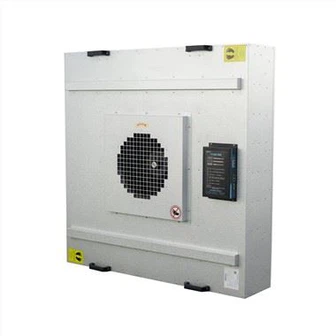
SNYLI specializes in manufacturing HEPA filters, ULPA filters, FFU systems, and cleanroom filtration solutions for pharmaceutical, semiconductor, laboratory, and industrial applications.
With professional production capability, strict quality control, and customized solutions, SNYLI supports global customers in building reliable cleanroom environments.

Contact SNYLI for customized pharmaceutical cleanroom filtration solutions